


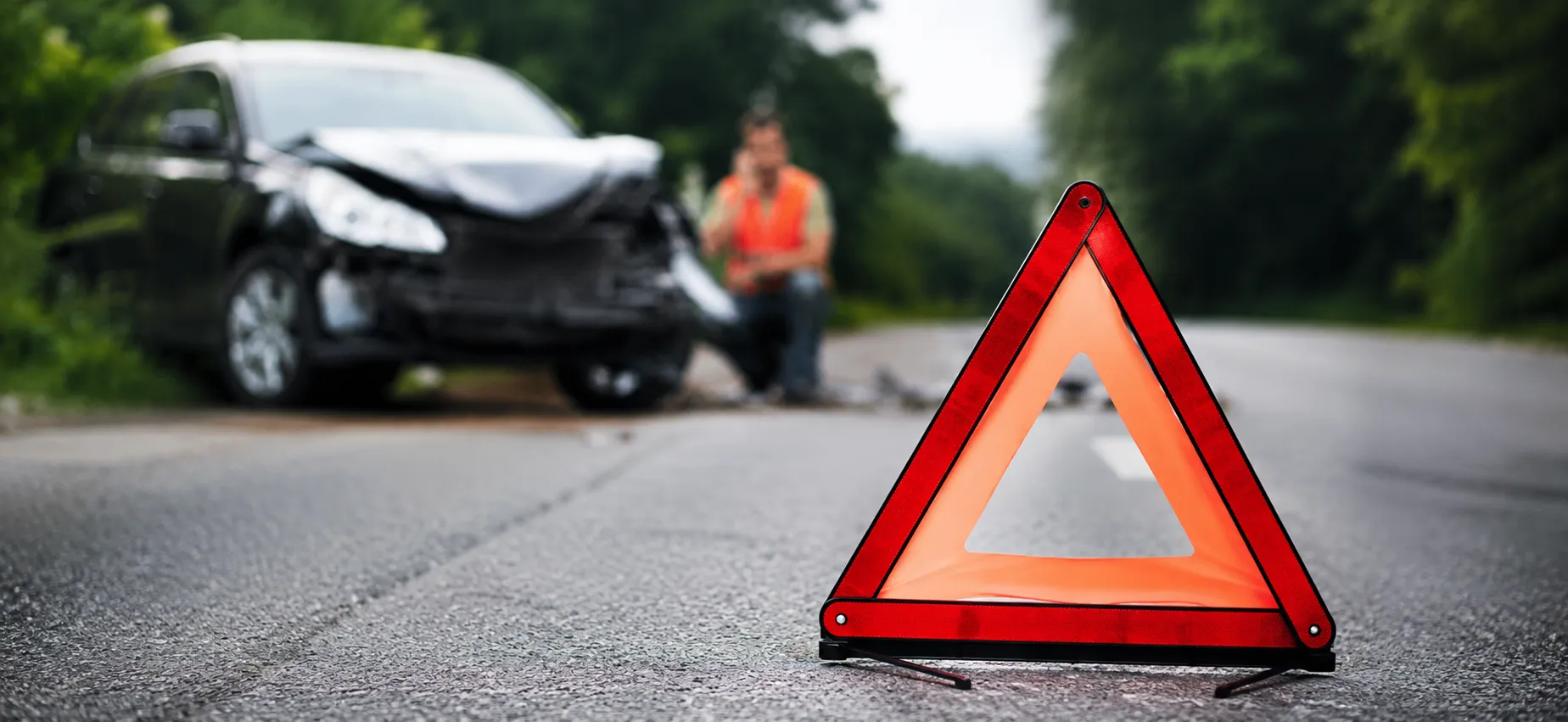
The moments after a crash don’t always go as they should.
Injuries worsen. People die who might have lived. Sometimes, they’re your employees. Your colleagues. Your friends. Your family.
Have you ever stopped to think about why?
It’s not because people don’t care.
It’s because they find themselves in a situation they were never prepared for.
Everyone agrees that acting quickly after a road traffic collision saves lives. That isn’t up for debate. The evidence is clear. The intent is there. The expertise exists.
And yet, across the UK, progress in improving how we can respond to road crashes remains slow, fragmented, and difficult to scale.
So what’s going on?
The Problem Isn’t Awareness
We already know that trained bystanders improve outcomes. Early action saves lives. That’s been understood for years.
But awareness on its own doesn’t create action.
What we have instead is a patchwork of activity — charities, training providers, campaigns, and initiatives — all doing good work, but not operating as a joined-up system.
It creates the impression that something is happening at scale.
But when a collision occurs, the same question remains:
Is the first person on scene actually ready to act?
Too often, the answer is no.
Good Intentions Don’t Build Systems
We often assume that if people know what’s at stake, they’ll do the right thing.
But that’s not how most organisations operate.
They are balancing:
- Cost
- Time
- Operational pressure
- Competing priorities
Even when something is free, it still takes effort to implement. And that effort – planning, coordination, leadership – comes at a cost.
So nothing changes.
Not because people don’t care, but because the system makes it difficult to act.
The Illusion of Progress
If you step back, there’s no shortage of activity in post-crash response.
But activity isn’t the same as capability.
Right now, what we have is:
- Multiple organisations
- Multiple initiatives
- Multiple approaches
What we don’t have is:
A system that ensures drivers – the people most likely to arrive first – are consistently trained, confident, and capable.
This is the gap we need to bridge.
From Aspiration to Capability
There’s plenty of agreement about what should happen at the scene of a collision.
But that’s the wrong place to start.
The real question is:
How do we ensure the person who arrives first is already prepared?
Because capability doesn’t appear in the moment. It has to be:
- Designed
- Delivered
- Embedded
- Maintained
You don’t rise to the occasion; you fall back on what you’ve been trained to do.
And right now, that training is inconsistent at best.
Why Voluntary Uptake Has Limits
There’s a persistent belief that awareness will naturally lead to widespread adoption.
It won’t.
Without a mechanism that:
- Encourages
- Incentivises
- Or requires engagement
progress will remain uneven.
This isn’t a criticism of businesses or individuals. It’s simply how systems behave.
If we want consistent outcomes, we need consistent expectations.

Making It Happen at Scale
If post-crash response is going to scale nationally, it won’t happen through voluntary uptake alone.
It needs to be driven by:
- Government expectation
- Leadership from major fleets and supply chains
- Clear standards of what “good” looks like
Until that happens, even the best solutions will struggle to move beyond small pockets of adoption.
Explore vs Execute
There’s one final point.
In complex systems like road safety, there’s a tendency to keep exploring – more research, more discussion, more debate.
But we already know that:
- Early intervention saves lives
- Drivers are often first on scene
- Training improves outcomes
The challenge isn’t discovering something new. It’s acting on what we already know.
This is where leadership matters.
Not more conversation — but commitment.
From:
- Large fleet operators
- Supply chains
- Safety and compliance leaders
Because this isn’t a “nice to have.”
It’s a gap in operational readiness that only becomes visible when something goes wrong.
Closing Thought
We know early action saves lives.
We know drivers are usually first on the scene.
The question is simple:
Will you make post-crash response part of how your organisation operates – or leave it to chance?
If you’re responsible for drivers, ask yourself: could they act safely and effectively today if they were first on scene?
Because when that moment comes, there’s no time left to prepare.